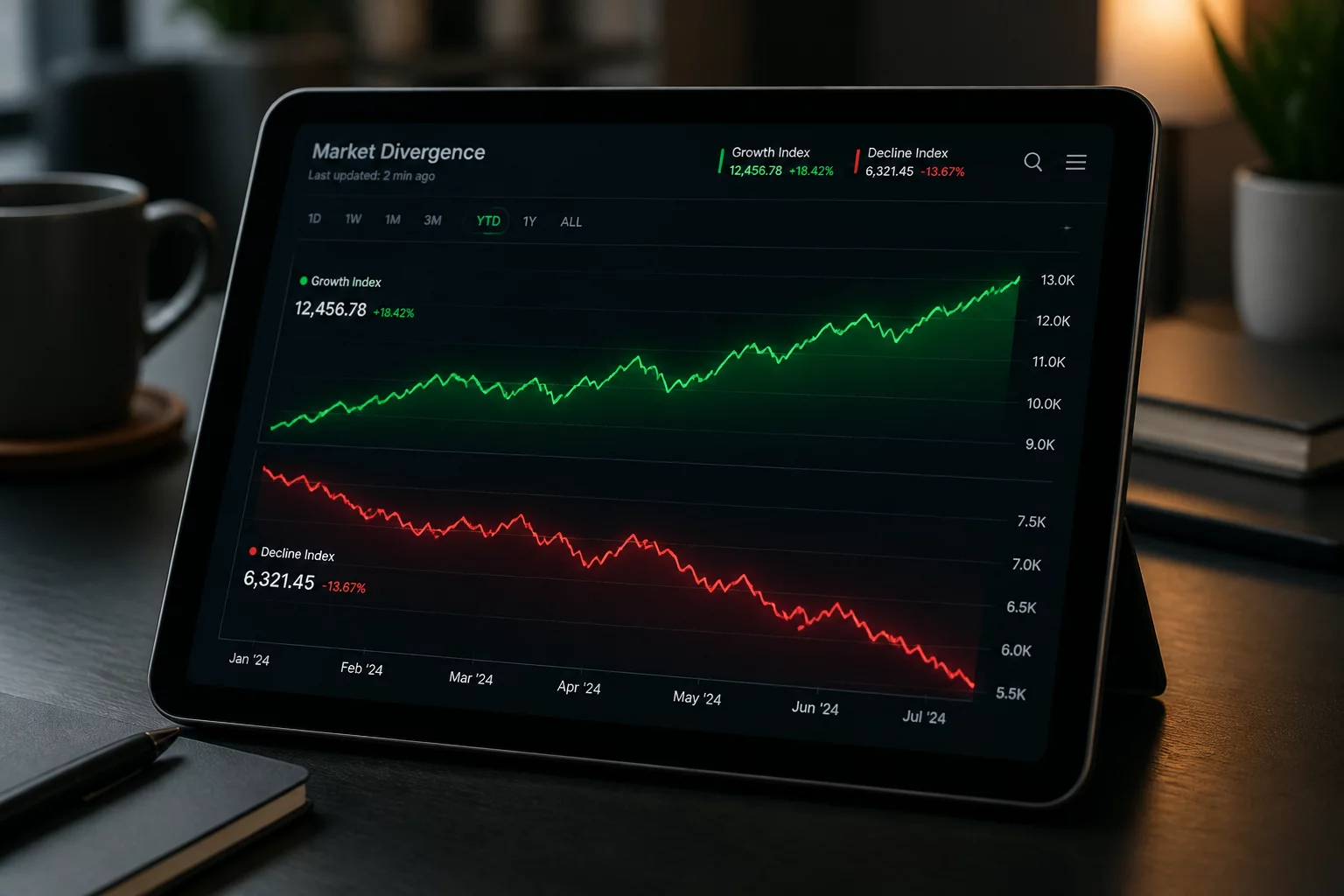
The Analytical Signal
At first glance, a 15% increase in monthly sales looks like a clear victory. Marketing teams celebrate, and quarterly projections are revised upwards as stakeholders anticipate a record-breaking season. However, this surface-level success often masks a structural decay in the customer base. In this specific case, the surge was driven by heavy discounting and high-pressure acquisition tactics that attracted deal-seekers rather than high-LTV customers. The team focused so heavily on hitting the monthly target that they neglected the quality of the incoming cohort, leading to a vanity metric surge.
Conflicting Metrics Identified
The conflict emerged when the cohort analysis revealed a 22% drop in second-month retention. While the top-line revenue grew, the cost per acquisition (CPA) was rising faster because the new users weren't staying long enough to reach profitability. We observed that the Sales signal was screaming green, while the Retention signal was flashing deep red. Further investigation showed that the customer support load tripled as the new cohort struggled with the product's value proposition, which hadn't been clearly communicated during the aggressive sales push. They were buying the price, not the product.
Key Observation
High sales volume achieved through unsustainable incentives creates a leaky bucket effect, where acquisition costs never recoup due to premature churn and poor cohort fit.
The Decision Framework
To resolve this, we implemented a weighted decision matrix. Instead of looking at raw sales, we introduced Quality-Adjusted Sales as a primary KPI. This metric discounts any sale that doesn't meet a specific engagement threshold within the first 14 days of use. By shifting the focus, the team began prioritizing segments that showed both a willingness to buy and a propensity to stay. We also adjusted the sales commission structure to include a retention clawback, ensuring that the sales team is incentivized for long-term health rather than just the initial transaction.
Signal A: Acquisition Surge
New customer volume increased by 15%, primarily driven by a 50% discount campaign, resulting in high top-of-funnel conversion rates but lower brand affinity.
Signal B: Retention Erosion
Month-1 churn spiked to 22%, indicating that the new cohort lacked product-market fit and were unlikely to generate positive net revenue over their lifecycle.
Conclusion & Resolution
The resolution came through a hard pivot: we reduced the aggressive discounting by 40% and reinvested that budget into onboarding optimization and lifecycle marketing. Although the immediate sales growth slowed to 5%, the 90-day retention rate rebounded by 30%. This case proves that a single positive metric can be a false signal if not balanced against the lifecycle health of the customer. True growth isn't just about how many people come through the door, but how many stay inside. Decision-makers must look past the acquisition glow to see the retention shadows.
Expert Discussion
Sarah J.
Strategic LeadFascinating analysis of the retention drop. We often see this in SaaS when marketing runs a aggressive promo without consulting the product team.
David K.
Data AnalystWe saw the exact same pattern last quarter. The shift to quality-adjusted sales is the only way to keep the growth sustainable.
Leave a Professional Comment