The Analytical Signal
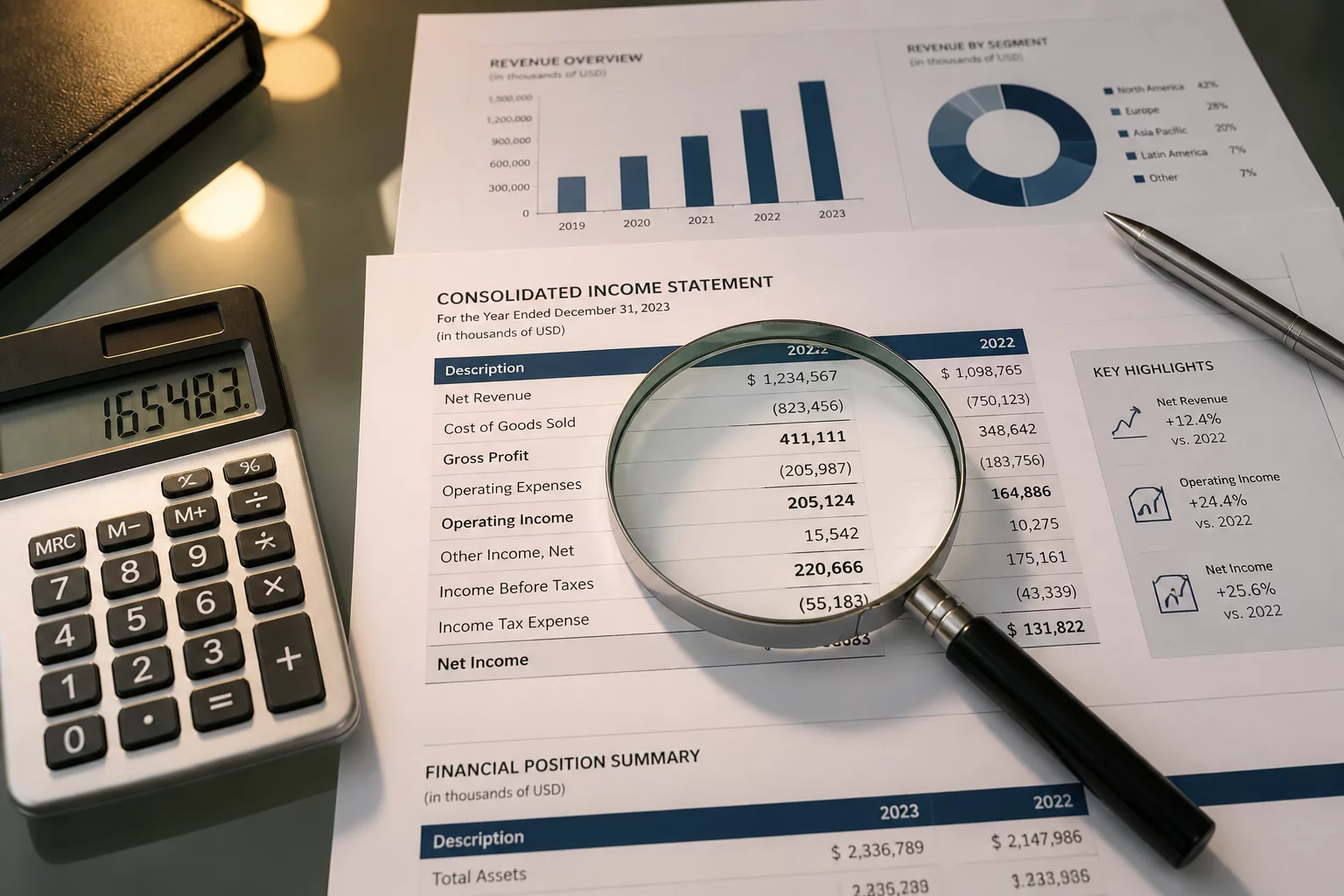
The paradox of rising revenue alongside falling margins is often the first sign of a business scaling inefficiency rather than value. In our investigation of a mid-market enterprise software provider, we observed a steady 22% quarter-over-quarter growth in gross billings. However, the net income was simultaneously sliding into the red. This phenomenon, known as margin compression, suggested that for every dollar of new business brought in, the cost to serve and acquire that business was increasing at a disproportionate rate.
Conflicting Metrics Identified
Upon closer inspection of the data signals, the conflict became apparent. While the sales dashboard showed green across all territories, the operational expense report was flashing warning lights. The average discount rate for new contracts had climbed from 12% to 28% to hit aggressive end-of-quarter targets. Concurrently, the Cost of Goods Sold (COGS) was inflating due to unoptimized cloud infrastructure that lacked the elasticity to handle the new influx of users efficiently. The "growth" was effectively being bought with future profitability.
Key Observation
Growth at the expense of unit economics is not scaling; it is merely subsidizing a failing business model with capital.
The Decision Framework
To resolve the signal conflict, we shifted the focus from Total Contract Value to Customer Contribution Margin. This required a two-pronged strategy. First, we implemented hard caps on discounting that required executive approval for anything over 15%. Second, the engineering team introduced automated scaling protocols for the cloud environment to ensure that infrastructure costs remained tethered to actual usage rather than projected capacity.
Signal A
Top-line revenue was inflated by short-term promotional activities and a 'growth at all costs' sales culture that ignored the long-term cost of servicing low-value clients.
Signal B
Gross margins were squeezed by a combination of high customer acquisition costs and a legacy infrastructure that was not designed for the current scale of operations.
Conclusion & Resolution
The conflict was eventually resolved by prioritizing margin health over raw revenue volume. Within two quarters, the gross margin stabilized back at 60%, and while the revenue growth slowed to a more modest 15%, the business returned to a sustainable path of profitability. This case proves that without margin context, revenue growth is an incomplete and potentially dangerous metric for any executive team to rely upon solely.
Expert Discussion
Mark T.
Strategic AnalystMargin compression is a silent killer. It's easy to get intoxicated by high revenue numbers while the foundation of the business is slowly eroding from the inside.
Leave a Professional Comment